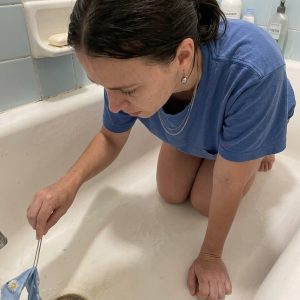
As the years progress, many people begin to encounter a range of well-meaning, yet often limiting, comments from friends, family, or society at large. Phrases such as “you’re too old for that” or “at your age you should take better care of yourself” are frequently uttered with the intent of expressing concern, yet they often fail to reflect the reality of what many individuals between the ages of 65 and 85 are capable of achieving, both physically and mentally. In truth, countless older adults maintain remarkable strength, resilience, and vitality, not only in their bodies but in their minds and emotions as well.
This strength is rarely measured by grand accomplishments or dramatic displays of athleticism; rather, it is revealed in the small, consistent acts that allow people to continue navigating daily life with independence, clarity, and confidence. The ability to rise from a chair without assistance, move about the home safely, manage personal errands, prepare one’s own meals, engage in stimulating conversation, and maintain meaningful social connections all serve as vital indicators of sustained health and autonomy. These everyday activities, while seemingly ordinary, reflect the seamless integration of physical capability, cognitive function, and emotional intelligence, demonstrating that aging does not inherently entail decline or dependency.