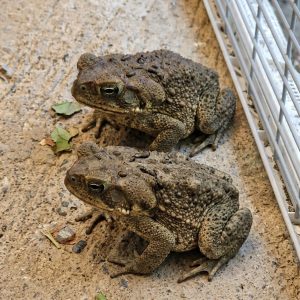
Across human history, animals have been deeply woven into cultural symbolism, often representing forces far beyond their physical presence. While modern science explains animal behavior through biology, instinct, and environmental adaptation, traditional beliefs interpret unexpected animal encounters as meaningful signs tied to luck, prosperity, protection, or transformation. These interpretations appear in folklore, spiritual teachings, and ancestral traditions across continents—from Asian feng shui principles to European rural superstitions and African oral storytelling.
The underlying idea is consistent: nature communicates in subtle ways, and animals act as messengers between the physical and symbolic world. In this worldview, prosperity is not always something material or immediate; it is a flow of energy, timing, and alignment. When certain animals appear in specific contexts—such as entering a home, landing nearby, or behaving unusually calm around humans—it is often interpreted as a reflection of shifting fortune or upcoming change. Even though these beliefs are not scientifically proven, they remain culturally powerful because they give meaning to moments that otherwise feel random or ordinary.