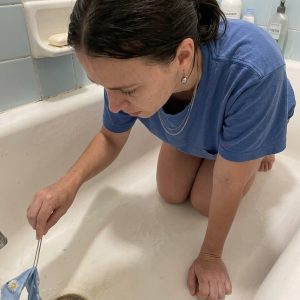
A mop is one of the most essential tools in any household, quietly doing the unglamorous work of lifting dirt, absorbing spills, and restoring shine to floors day after day. Whether it is used on tile in the kitchen, hardwood in the living room, or ceramic surfaces in the bathroom, it plays a central role in maintaining a clean and comfortable home. Yet despite how frequently it is used, the mop itself is often overlooked when it comes to proper care. Many people diligently scrub their floors with strong detergents and disinfectants, believing they are removing grime effectively, but forget that the mop head absorbs all that dirt, residue, and cleaning solution.
Over time, without proper washing, the mop can become saturated with old debris, unpleasant odors, and even bacteria, ultimately spreading grime instead of removing it. This creates a cycle in which floors never truly feel fresh, no matter how often they are cleaned. Regular maintenance of the mop is therefore just as important as cleaning the surfaces it touches. By understanding how to refresh and restore a dirty mop properly, you not only protect your floors but also extend the lifespan of your cleaning tools, save money, and reduce unnecessary waste.