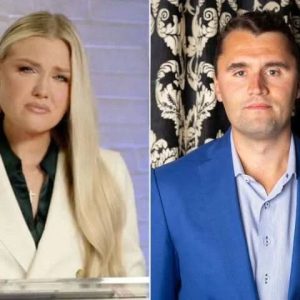
The headline that frames this moment—dramatic, triumphant, and sharpened for maximum emotional impact—does far more work than the facts themselves ever could. Words like “disbarred” and “payback” invite the reader into a story of instant justice, moral reversal, and cinematic closure, the kind of narrative that feels satisfying in an era defined by exhaustion and outrage. Yet beneath that charged language lies a far more complex and unfinished reality, one that resists neat endings and instead exposes the slow, grinding machinery of law when it collides with politics.
Donald Trump’s Manhattan criminal case did not end with the jury’s verdict, and it certainly did not end with a single headline. What is actually unfolding is an appellate battle that seeks to interrogate the very architecture of the prosecution itself, asking not whether the jury believed Trump falsified business records, but whether the legal pathway used to convert those records into felony convictions was consistent with constitutional safeguards, statutory intent, and long-standing norms of prosecutorial restraint.