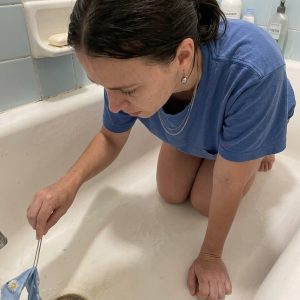
For much of modern history, the daily shower has been treated as a gold standard of cleanliness, a habit passed down through generations and reinforced by advertising, social norms, and a general fear of germs. Many people grow up equating frequent bathing with responsibility, respectability, and good health. By the time someone reaches older adulthood, daily showers often feel automatic, almost unquestionable. Yet the human body does not remain the same across a lifetime, and practices that once supported health can quietly become sources of harm. After the age of 65, the body’s systems—especially the skin, balance mechanisms, and immune defenses—function differently than they did decades earlier.
What once felt refreshing can begin to create discomfort, vulnerability, and unnecessary risk. Increasingly, dermatologists, geriatricians, and elder-care specialists are encouraging older adults to rethink the idea that daily showers are always beneficial. This shift is not about lowering standards of hygiene or promoting neglect, but about aligning daily habits with the realities of aging physiology. Cleanliness is still important, but it does not need to come at the expense of skin integrity, safety, or comfort. For many seniors, fewer showers—combined with gentler care—can actually lead to better health outcomes and a higher quality of life.